Lesser-Known Facts About Burgundy En Primeur That Every Wine Lover Should Know

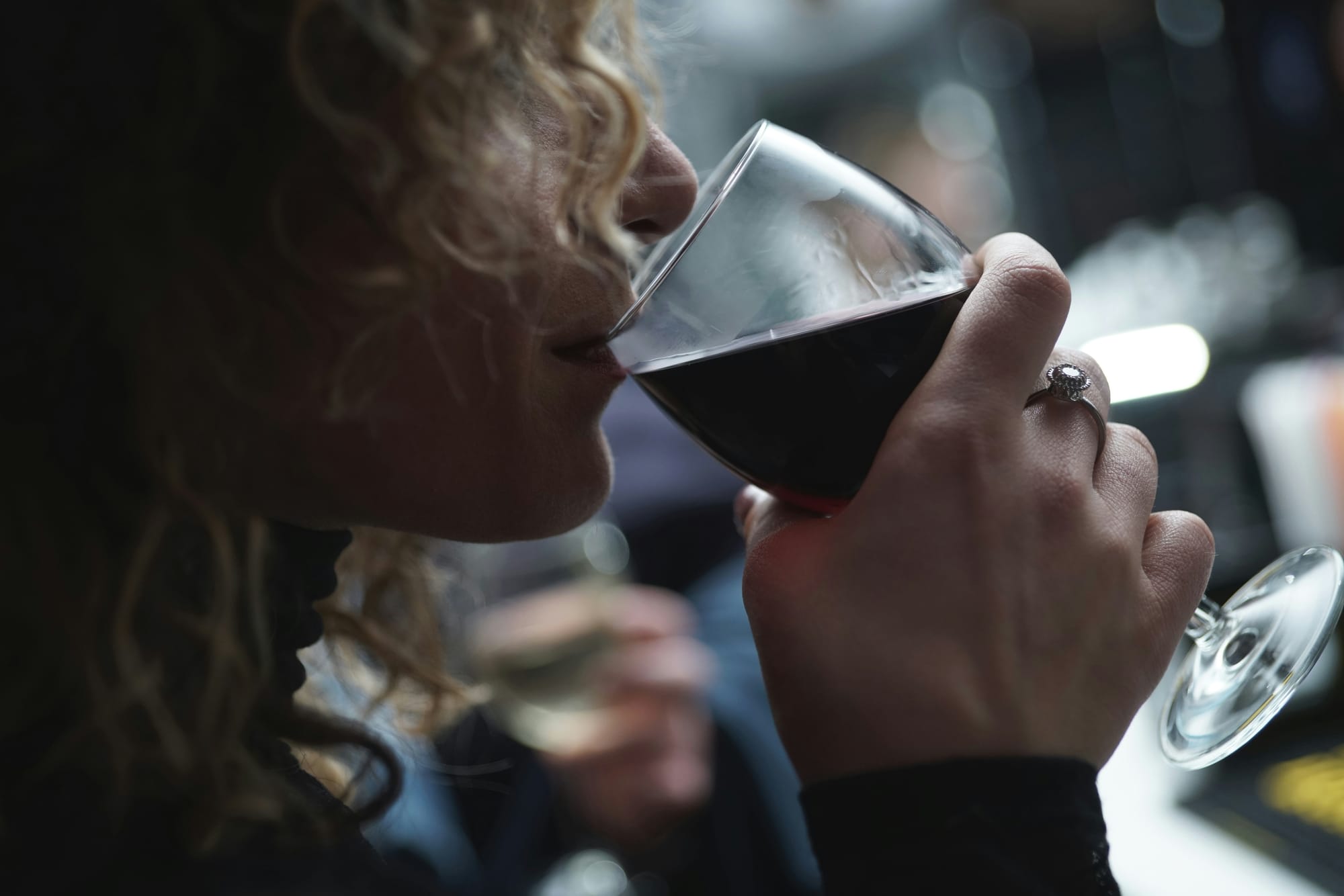
As the world of wine continues to evolve, Burgundy en primeur remains a captivating topic for both seasoned connoisseurs and enthusiastic newcomers alike. While many wine lovers are familiar with the allure of this prestigious French region, there are numerous lesser-known facts that can deepen your appreciation for Burgundy’s offerings. From the intricate influence of terroir to the nuances of vintage variation, understanding these elements can enhance your wine journey and elevate your tasting experience. In this article, we will delve into the fascinating aspects of Burgundy en primeur that every wine lover should know, starting with the pivotal role that terroir plays in shaping these exceptional wines.
Fact 1: The Role of Terroir
Terroir is a French term that encapsulates the unique environmental factors that influence the character of a wine, and in Burgundy, it is a concept that holds particular significance. The region's diverse terroir encompasses everything from the soil composition and climate to the topography and even the local traditions of winemaking. Each of these elements contributes to the distinctive profiles of Burgundy wines, making terroir a fundamental aspect of what sets this region apart.
The Soil: A Foundation of Flavour
One of the most critical components of terroir in Burgundy is its varied soil types. The region is renowned for its complex geological makeup, featuring a tapestry of limestone, clay, and marl soils. For instance, the famous Côte d'Or, which is home to some of the most prestigious vineyards, is characterised by its limestone-rich soils that provide excellent drainage and retain just the right amount of moisture. This balance is crucial for the development of the Pinot Noir and Chardonnay grapes that thrive here.
Each vineyard site within Burgundy is unique, and even small differences in soil composition can lead to significant variations in flavour and aroma. For example, wines produced from vineyards on clay-heavy soils often exhibit richer, fuller-bodied characteristics, while those grown in limestone tend to have a more elegant and refined profile. This intricate relationship between soil and grape variety is what makes Burgundy wines so fascinating and diverse.
Climate: The Subtle Influence of Weather
In addition to soil, the climate of Burgundy plays a pivotal role in shaping its wines. The region experiences a continental climate, marked by warm summers and cold winters, which can greatly affect the ripening of grapes. However, climate is not uniform across Burgundy; microclimates exist that can create distinct growing conditions even within the same vineyard.
For instance, the village of Chablis, located in the northern part of Burgundy, has a cooler climate that tends to produce wines with high acidity and mineral notes. In contrast, vineyards in the southern Côte Chalonnaise benefit from a slightly warmer climate, leading to more fruit-forward wines. These climatic variations not only influence the grapes' ripeness but also impact the overall style and complexity of the wines produced, making terroir an essential consideration for any Burgundy en primeur enthusiast.
Tradition and Terroir: The Human Element
Beyond the natural elements, the traditions and practices of Burgundy's winemakers also contribute to the region's unique terroir. Generations of winemaking expertise have led to a deep understanding of how to best express the characteristics of each vineyard site. Many producers adhere to traditional methods, such as low yields and minimal intervention, which allow the true essence of the terroir to shine through in the final product.
For example, some Burgundy producers are committed to organic or biodynamic farming practices, which further enhance the expression of terroir by promoting soil health and biodiversity. This dedication to preserving the land and its natural qualities not only results in wines of exceptional quality but also reflects the rich heritage of Burgundy's winemaking culture.
Understanding the role of terroir in Burgundy wines is essential for appreciating the complexity and diversity that this region offers. The interplay of soil, climate, and tradition creates a unique tapestry of flavours that defines Burgundy, making it a treasure trove for wine lovers seeking to explore the nuances of this remarkable area, especially when considering the fascinating world of Burgundy en primeur.
Fact 2: The Importance of Vintage Variation
When it comes to Burgundy wines, the vintage year is a crucial factor that can significantly influence both quality and taste. Each vintage is shaped by the climatic conditions of the year, which can vary dramatically, affecting the ripening of the grapes and, subsequently, the characteristics of the wine produced. Understanding how vintage variation impacts Burgundy wines is essential for any wine lover, particularly those interested in the en primeur market.
Climatic Conditions: A Yearly Influence
The weather during the growing season plays a pivotal role in determining the quality of the grapes harvested in Burgundy. For instance, a warm and dry summer can lead to grapes that are ripe, concentrated, and full of flavour. In contrast, a cooler or wetter season may result in grapes that are less ripe, potentially leading to wines with higher acidity and a lighter body. Take the 2015 vintage, for example, which was marked by a hot summer, resulting in rich and opulent wines that have been praised for their depth and complexity. Conversely, the 2016 vintage faced challenges with frost and rain, leading to lower yields and wines that, while still elegant, often require more time to develop in the bottle.
Ageing Potential: The Long Game
Vintage variation also affects the ageing potential of Burgundy wines. Certain years produce wines that are not only enjoyable when young but also have the structure and balance necessary for long-term ageing. For example, the 2010 vintage is often lauded for its remarkable ageing potential, with wines that are still evolving beautifully over a decade later. In contrast, some vintages, such as 2014, while pleasant to drink relatively early, may not possess the same longevity. This aspect of vintage variation is particularly relevant for en primeur buyers, who are investing in wines that they hope will appreciate in value and complexity over time.
Tasting Experience: A Unique Journey
The differences in vintage also translate to unique tasting experiences. Wine enthusiasts often find that tasting through a range of vintages from the same vineyard can reveal fascinating nuances and variations in flavour profiles. For example, Burgundy wines from the same vineyard can showcase how climatic conditions and vineyard management can lead to distinct expressions of the same terroir. A vertical tasting of these wines can highlight how a single vineyard can produce vastly different wines in different years, providing insight into the artistry and science of winemaking.
As wine lovers navigate the world of Burgundy en primeur, recognising the importance of vintage variation will enhance their appreciation for the nuances that each year brings. Understanding how climatic factors, ageing potential, and unique tasting experiences interplay will empower enthusiasts to make informed choices when selecting wines for their collections.
Fact 3: En Primeur and Wine Ratings
The Role of Wine Ratings in En Primeur Purchases
When it comes to purchasing Burgundy wines en primeur, wine ratings play a significant role in shaping buyer decisions. Reputable wine critics and publications have a powerful influence on the perceived value and desirability of a wine. A high rating can elevate a wine's status, leading to increased demand and, subsequently, higher prices. For instance, wines that receive scores of 90 points or above are often regarded as exceptional, prompting collectors and investors to secure these bottles while they are still available at initial release prices.
The impact of wine ratings on en primeur purchases is particularly evident during the annual en primeur tastings held in Burgundy. At these events, critics evaluate the wines and publish their ratings shortly after. For example, the 2019 vintage, which garnered high praise from several notable critics, saw a surge in interest and sales. According to a report by Liv-ex, a leading exchange for fine wine, the 2019 Burgundy vintage experienced a 30% increase in pricing compared to previous years, largely attributed to its high ratings and the acclaim it received from wine experts.
Consumer Behaviour and Market Trends
Wine ratings not only affect the immediate market but also shape long-term consumer behaviour. Buyers often rely on the expertise of critics to guide their purchasing decisions, especially in the en primeur market, where wines are bought before they are bottled and released to the public. This reliance on ratings can create a feedback loop, where high ratings lead to increased sales, which in turn encourages producers to focus on quality to maintain or improve their ratings.
For example, the 2015 Burgundy vintage was widely praised, with many wines receiving scores above 95 points. This led to a flurry of purchases, as collectors sought to add these highly rated wines to their collections. The result was a notable increase in the average price of wines from this vintage, demonstrating how ratings can directly influence market trends and consumer perceptions.
The Importance of Critical Consensus
While individual ratings can significantly impact en primeur purchases, the consensus among critics can be even more influential. When multiple critics agree on the quality of a vintage or a specific wine, it can create a sense of urgency among buyers. For instance, if a particular vineyard's wine receives unanimous high praise across several publications, it is likely to sell out quickly, as buyers rush to secure their allocations.
Moreover, the influence of social media and online wine communities has amplified the impact of wine ratings. Enthusiasts now share their experiences and opinions, creating a more dynamic conversation around wine quality. This democratisation of wine knowledge means that ratings can quickly reach a wider audience, further driving demand for highly rated en primeur wines.
As wine lovers delve deeper into the en primeur market, understanding the interplay between wine ratings and purchasing behaviour will be essential. The significance of ratings not only affects immediate buying decisions but also shapes the overall landscape of Burgundy wines, influencing trends and consumer expectations for years to come.
Fact 4: The Influence of Climate Change
How Climate Change is Reshaping Burgundy Wines
Climate change is a pressing issue that is significantly impacting wine production worldwide, and Burgundy is no exception. This renowned French wine region, famous for its Pinot Noir and Chardonnay, is experiencing shifts in its climate that affect grape growing and, consequently, the quality and character of its wines. As temperatures rise and weather patterns become more unpredictable, Burgundy winemakers are grappling with the implications for their vineyards and the wines they produce, particularly those sold en primeur.
One of the most notable effects of climate change in Burgundy is the increase in average temperatures, which has been documented to rise by approximately 1.5°C since the 1950s. This warming trend has led to earlier grape harvests, with many producers reporting that they now pick their grapes up to two weeks earlier than they did a few decades ago. This shift can affect the balance of acidity and sugar in the grapes, which are crucial for producing high-quality wines. For instance, the 2018 vintage was marked by exceptionally high temperatures, resulting in grapes that were riper and higher in alcohol content than traditional Burgundian wines, potentially altering the classic style that enthusiasts cherish.
The Impact of Changing Weather Patterns
In addition to rising temperatures, Burgundy is also facing more extreme weather events, including unpredictable rainfall and hailstorms. These changes can lead to challenges in vineyard management, as excessive rain can promote diseases such as mildew, while hail can devastate grape crops. In 2021, a severe hailstorm in the Côte de Beaune region resulted in significant damage, with some producers losing up to 80% of their crop. Such events not only impact the immediate harvest but can also influence the long-term sustainability of vineyards.
Moreover, the changing climate is prompting winemakers to rethink their vineyard practices. Many are exploring new grape varieties that are more resilient to heat and disease, which could lead to a diversification of Burgundy’s famed offerings. For instance, some producers are experimenting with planting varieties like Syrah and Grenache, which could thrive in the warmer conditions. This evolution in grape selection may alter the traditional landscape of Burgundy wines, introducing new flavours and styles that reflect the region’s changing climate.
Adapting to the New Normal
In response to these climate challenges, Burgundy winemakers are increasingly adopting sustainable practices to mitigate the effects of climate change. Many are investing in organic and biodynamic farming methods, which promote soil health and biodiversity. These practices not only help to improve the resilience of vineyards but also align with the growing consumer demand for environmentally friendly wines.
Additionally, the use of technology in vineyard management is becoming more prevalent. Precision viticulture, which involves using data analytics and satellite imagery to monitor vineyard conditions, allows producers to make informed decisions about irrigation, pest control, and harvest timing. This innovative approach can help to optimise grape quality and yield in the face of climatic uncertainties.
As Burgundy wines continue to evolve in response to climate change, particularly those offered en primeur, wine lovers can anticipate a fascinating journey ahead, where tradition meets innovation. The region’s ability to adapt and thrive amid these challenges will undoubtedly shape the future of its wines, making it an exciting time for enthusiasts to engage with Burgundy’s storied vineyards.
Conclusion: Embrace Your Burgundy Wine Journey
As we’ve explored throughout this article, the world of Burgundy en primeur is rich with nuances and lesser-known facts that can deepen your appreciation for this iconic wine region. From the profound influence of terroir on the character of Burgundy wines to the critical role that vintage variation plays in determining quality and taste, each fact unveils a layer of complexity that every wine lover should appreciate. Additionally, understanding the impact of wine ratings and the pressing challenges posed by climate change offers a broader perspective on the future of Burgundy wines, especially those available en primeur.
These insights not only enhance your knowledge but also enrich your wine journey. As you continue to explore Burgundy's offerings, consider how these factors influence your choices and preferences. Are you intrigued by how climate change might alter the wines you love? Or perhaps the significance of terroir has inspired you to seek out specific vineyards?
The beauty of wine lies in its ever-evolving nature, and Burgundy is at the forefront of this transformation. By delving deeper into these facts, you can cultivate a more nuanced palate and a greater understanding of the wines that grace your table. So, as you pour your next glass of Burgundy, take a moment to reflect on the intricate tapestry of history, climate, and craftsmanship that has shaped it. Your journey through the world of Burgundy wine is just beginning, and there’s always more to discover.